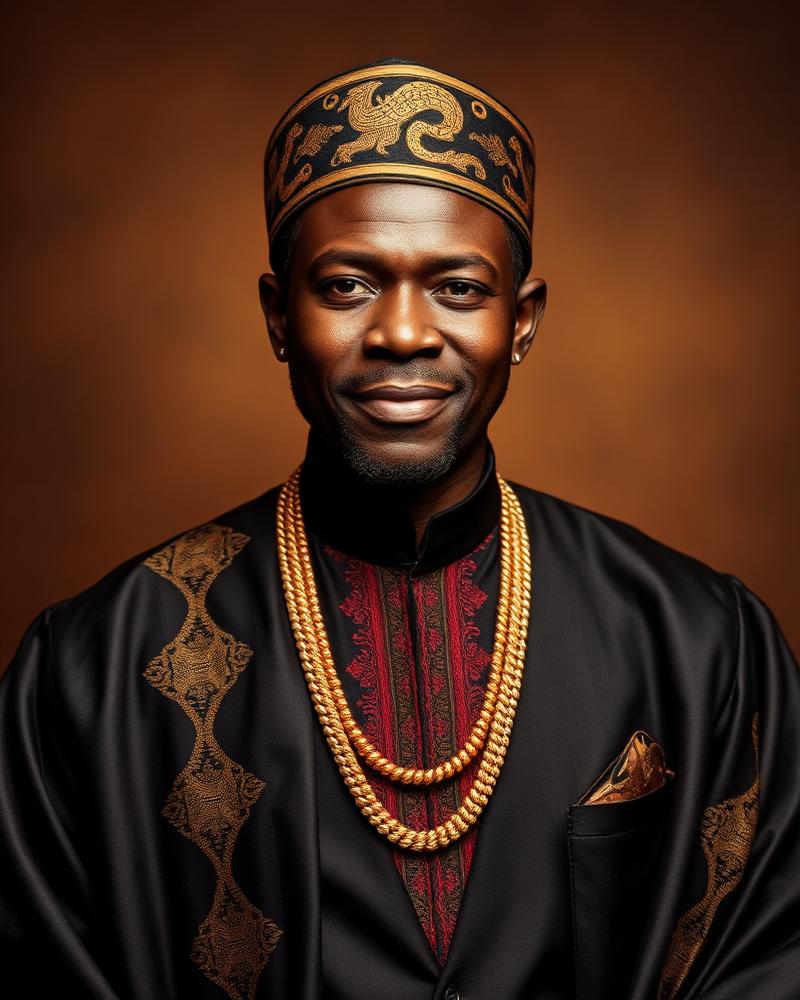
The act of returning to a land of origin—whether after years of diaspora or generations of separation—is rarely a simple physical journey. It is a profound structural and psychological recalibration. For decades, global migration pushed a narrative of linear departure, urging individuals to move outward toward industrial centers. Today, the reverse journey is gaining momentum. This return is not driven by nostalgia, but by an intentional desire to reinvest capital, merge global technical expertise with local ancestral systems, and build permanent infrastructure.
This migratory pivot is the ultimate realization of Sankofa—reaching back across oceans and borders to reclaim one’s roots, not to remain in the past, but to engineer a sustainable, independent future.
The Geometry of Return (The Spatial Journey)
[The Departure]  ──> Navigating external landscapes; accumulation of global skills and capital
         │
[The Threshold]  ──> Shedding the psychological weight of the diaspora at the border
         │
[The Rooting]    ──> Reintegrating into local ecosystems; building permanent community foundations
Migratory Paradigms: The Outward Flight vs. The Circular Return
The structural impact of returning diasporas fundamentally alters local economies and spatial designs, moving away from extractive remittance models toward collaborative development.
| Operational Metric | The Legacy Outward Migration | The Circular Sankofa Return |
| Primary Economic Input | Remote financial remittances sent to cover basic household survival | Direct capital investment in local enterprise and infrastructure |
| Knowledge Transfer | Brain drain; local expertise is lost to foreign markets | Brain gain; global technical systems are adapted to local contexts |
| Spatial Footprint | Temporary stays; reliance on transient hotels and rental spaces | Permanent construction; building multi-generational family compounds |
| Cultural Stance | Assimilation into foreign industrial working structures | Active reclamation of indigenous languages, traditions, and lands |
The Three Anchors of Reconnection
-
The Foundational Earth: Commencing the return by physically building on ancestral land, utilizing local materials like compressed earth, thatch, or timber to anchor the structure within its native environment.
-
The Hybrid Cooperative: Establishing professional networks that pair returnees’ global institutional access with local creatives’ deep, contextual intelligence, breaking down old gatekeeper systems.
-
The Lingual Reclamation: The deliberate process of re-learning or passing down regional dialects and oral histories to children, ensuring that the return spans across generations.
The Spatial Shift
Voices from the Soil
“Returning is an architectural challenge. You aren’t trying to build a carbon copy of the life you left behind in London or New York, nor are you trying to live exactly as your grandparents did. You are building a third space—one where global technology is humbled by local soil.”
— Tunde Adeleye, Diaspora Urbanist
Socio-Economic Metrics of the Return
-
Reversing Resource Extraction: Local enterprises funded and operated by returnees shift the economic model from exporting raw assets to refining and retaining value domestically.
-
Ecological Regeneration: Returnees frequently spearhead green-transition projects, applying circular-economy principles to local farming, water systems, and solar microgrids.
-
Generational Anchoring: Establishing multi-generational homesteads creates a stable social buffer, insulating families from the systemic precarity of migratory working visas.
