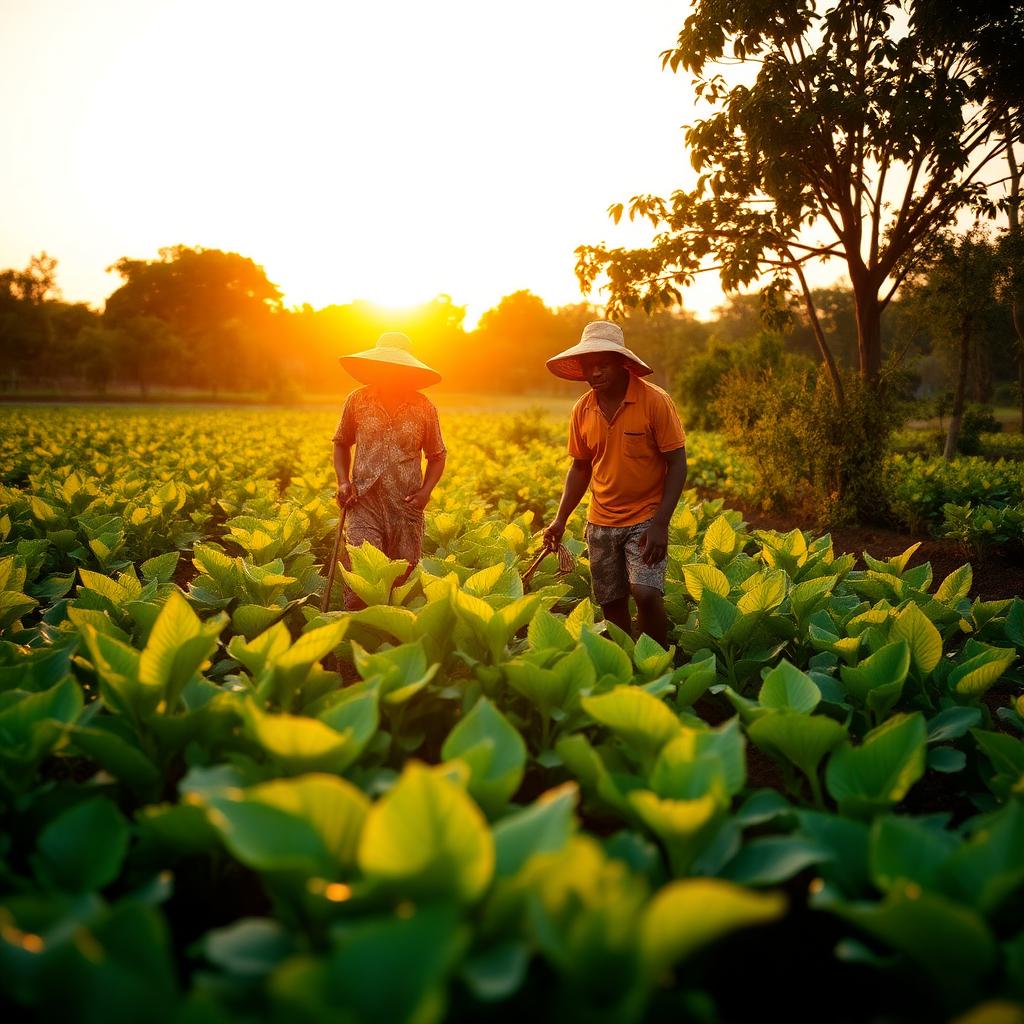
Smallholder farmers across Africa are quietly staging a quiet revolution against climate volatility, shifting from subsistence cultivation to becoming the frontline guardians of the green transition. For decades, industrial agriculture pushed synthetic fertilizers and monoculture farming as the only path to modernization. Today, reversing that trajectory is an act of ecological restoration, bringing back ancestral agroforestry, seed-saving traditions, and natural soil regeneration techniques that allow communities to thrive without external dependency.
This shift mirrors the core philosophy of Sankofa—reclaiming time-tested, indigenous farming wisdom to build a resilient, sustainable future for global food security.
The Agroecological Blueprint
“True sustainability cannot be imported in bags of chemical fertilizer. It grows from the soil when we respect the ecosystem our ancestors managed for generations.” — Elizabeth Mpofu, Agroecology Advocate
Structural Layout (Image Placeholder)
[Insert Image Here: A high-contrast, professional photograph of a smallholder farmer practicing intercropping or agroforestry, with sunlight filtering through a diverse canopy of indigenous trees and crops.]
The Transformation Grid
-
Soil Regeneration: Traditional chemical farming degraded local topsoil, whereas the current transition utilizes composting and cover crops to naturally restore nitrogen levels and organic matter.
-
Water Management: Moving away from expensive, wasteful irrigation systems, smallholders are implementing ancient rainwater harvesting pits and terracing to conserve moisture in arid regions.
-
Crop Diversity: Replacing vulnerable monoculture fields with resilient heirloom crops like millet, sorghum, and cassava ensures stable yields during erratic weather patterns.
Key Performance Metrics
-
Biodiversity Increase: Farms utilizing agroforestry have seen a notable rise in local pollinator populations and natural pest control mechanisms.
-
Yield Stabilization: Diversified smallholder plots maintain steady production rates during drought cycles compared to single-crop industrial farms.
-
Economic Independence: Eliminating the need for imported chemical inputs has reduced seasonal production debts for local farming cooperatives.
