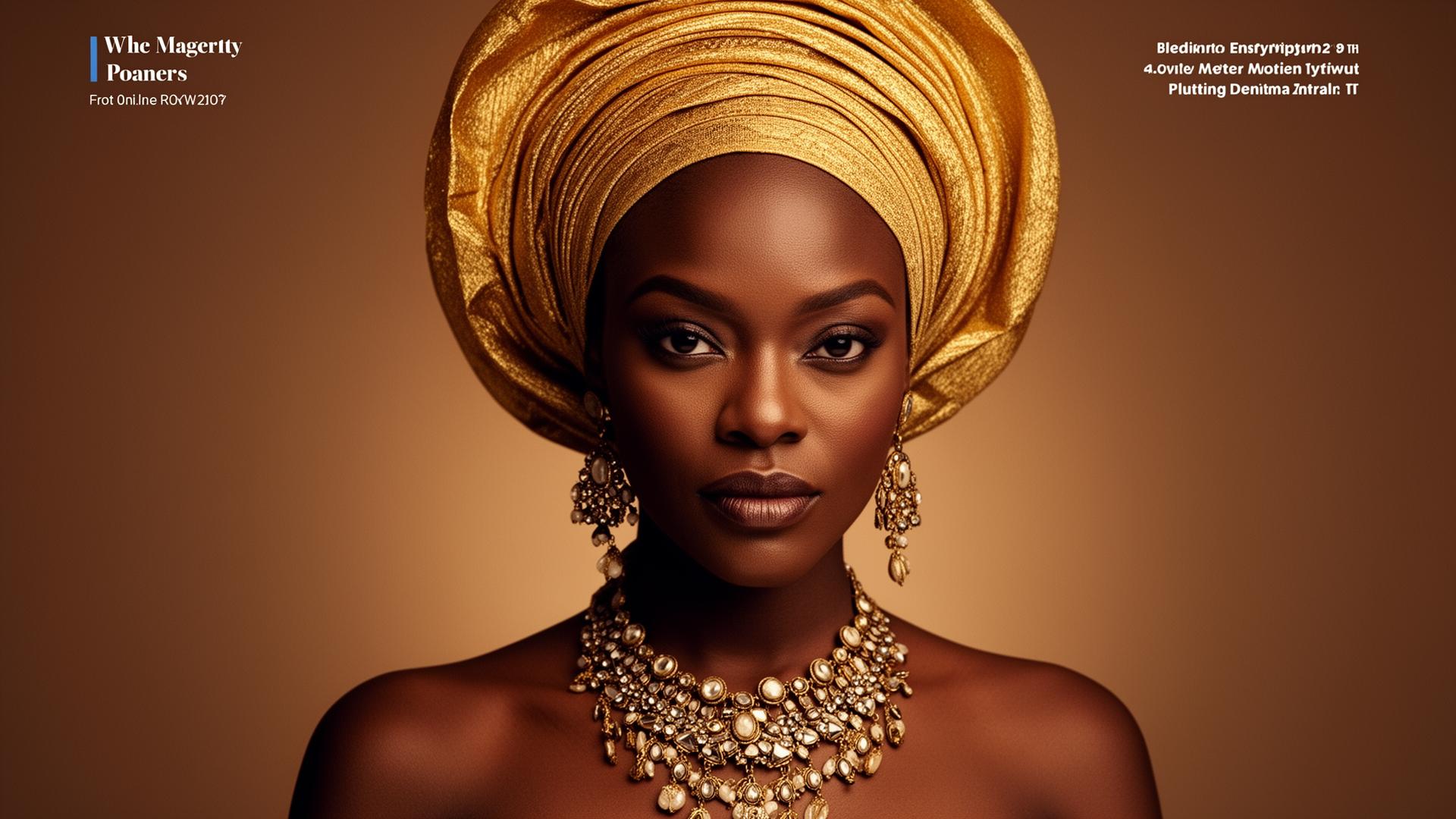
For three decades, a single thread has carried more than its passengers — it carried the idea of a continent in conversation with itself. We arrive in Lagos at dusk, the sky the color of marigold and rust, and the city does not so much greet us as include us. Everywhere there is movement, intention, and a sense that the old story is finally being told by its rightful narrators.
The new African narrative is not a brand. It is not a hashtag. It is a slow, deliberate refusal — the refusal to be footnoted in someone else’s history. From the studios of Accra to the rooftops of Nairobi, a generation of artists, founders, scholars and stewards is doing the difficult work of remembering forward.
A Continent in its Own Voice
Walk into any independent gallery in Dakar and you will find work that does not explain itself to a foreign audience. The reference points are interior — proverb, lineage, the specific weight of a grandmother’s hand. This is not provincialism. It is the long-awaited privilege of speaking to one’s own people first.
“We are not the keepers of a museum. We are weavers of a future that remembers itself.”
The economic story has its own grammar. Mobile money corridors stretch from Kigali to Abidjan. Smallholder farmers in the Sahel are coordinating climate response through cooperatives older than any startup. The infrastructure of the continent’s next chapter is being laid quietly, in languages the financial press still struggles to read.
What Comes Next
If there is a single instruction inside this issue, it is this: read slowly. The stories we publish here resist the summary. They ask to be held, the way a textile is held before it is worn — turned over, considered, allowed to speak.
The new narrative is not a single voice. It is a chorus learning, in real time, that it has always been a chorus. ORONEL is honored to set a table for it.
